Article
The Risk Landscape is Changing for Electric Utilities

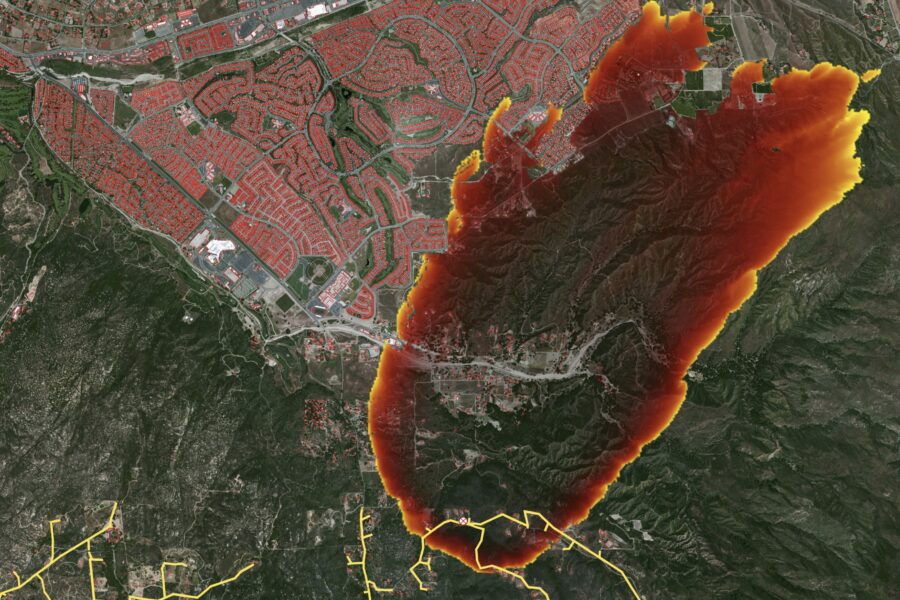
Wildfire is no longer a regional issue. It is a national challenge that is reshaping how electric utilities think about risk.
The Big Picture
Wildfire, once perceived as a California problem, has become a nationwide concern for electric utilities, driven by escalating liability, growing regulatory demands, and investor scrutiny.
The 2023 Lahaina Fire served as a stark wake-up call, forcing electric utilities across the country to confront the financial and operational reality of wildfire exposure. Several catastrophic and deadly fires have followed.
Wildfire risk now looms as a top-tier threat capable of severely impacting electric utilities with little warning. This shift calls for a fundamental reconsideration of risk management strategies, from improved modeling to proactive mitigation.
What’s Changing, Fast
Liability Risk is Spreading
The Lahaina Fire tragedy illustrated that catastrophic wildfire risk extends far beyond traditional high-risk regions. Hawaiian Electric’s rapid market cap decline and subsequent large settlement underscore the potential for devastating financial repercussions, regardless of perceived culpability. Even in states where liability caps are being considered, those protections come with substantial expectations that utilities do everything in their power to manage fire risk. The 2024 Smokehouse Creek Fire further solidified the reality that no region and no electric utility is immune from the consequences of asset-caused wildfire ignitions.
Investors, Creditors, and Insurance are Questioning Their Support and Demanding Change
Electric utilities are grappling with uncapped liability, a concern amplified by Warren Buffett’s public questioning of the industry’s investment viability in 2024. Investor confidence is directly tied to a utility’s ability to demonstrate robust wildfire risk management. Credit rating agencies are scrutinizing wildfire risk management practices and are actively downgrading utilities without adequate systems in place. Insurance availability and affordability have become critical challenges, with many electric utilities facing difficulty securing coverage or resorting to self-insurance.
Regulatory and Stakeholder Pressures Are Growing
States outside of California are increasingly implementing stringent regulatory compliance requirements, including mandated wildfire mitigation plans. Shareholders, local governments, regulators, community members, and insurers are all demanding that utilities employ proactive wildfire mitigation measures for improved decision-making.
How Electric Utilities Can Respond
Electric utility risk managers are no longer facing a theoretical threat. Wildfire risk, once considered a localized issue, has become a pervasive and financially consequential hazard.
The core challenge is accurately understanding and quantifying a dynamic, complex, and previously underestimated risk. This is not just about modeling fire behavior. It is about translating that knowledge into actionable mitigation strategies and operational decision-making that address liability, regulatory compliance, investor confidence, and stakeholder trust.
The path forward involves moving from reactive to proactive, from generalized risk assessments to granular, defensible strategies, and ensuring long-term financial stability and operational resilience in the face of an increasingly volatile environment.
What Is Next: Embrace Proactive Risk Management
By leveraging sophisticated tools for real-time monitoring, predictive analytics, and granular consequence modeling, electric utilities can move beyond reactive measures and static assessments.
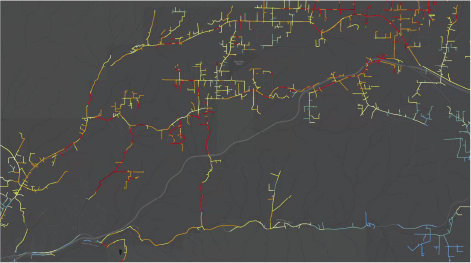
Electric utilities can advance risk reduction with more data-driven decision-making across all facets of the organization. For daily operations, this translates to optimized resource allocation, proactive mitigation efforts in high-risk zones, and more informed decisions regarding Public Safety Power Shutoffs. For long-term asset planning, a clear understanding of wildfire consequence enables utilities to strategically prioritize infrastructure hardening and investments.
Related Posts